
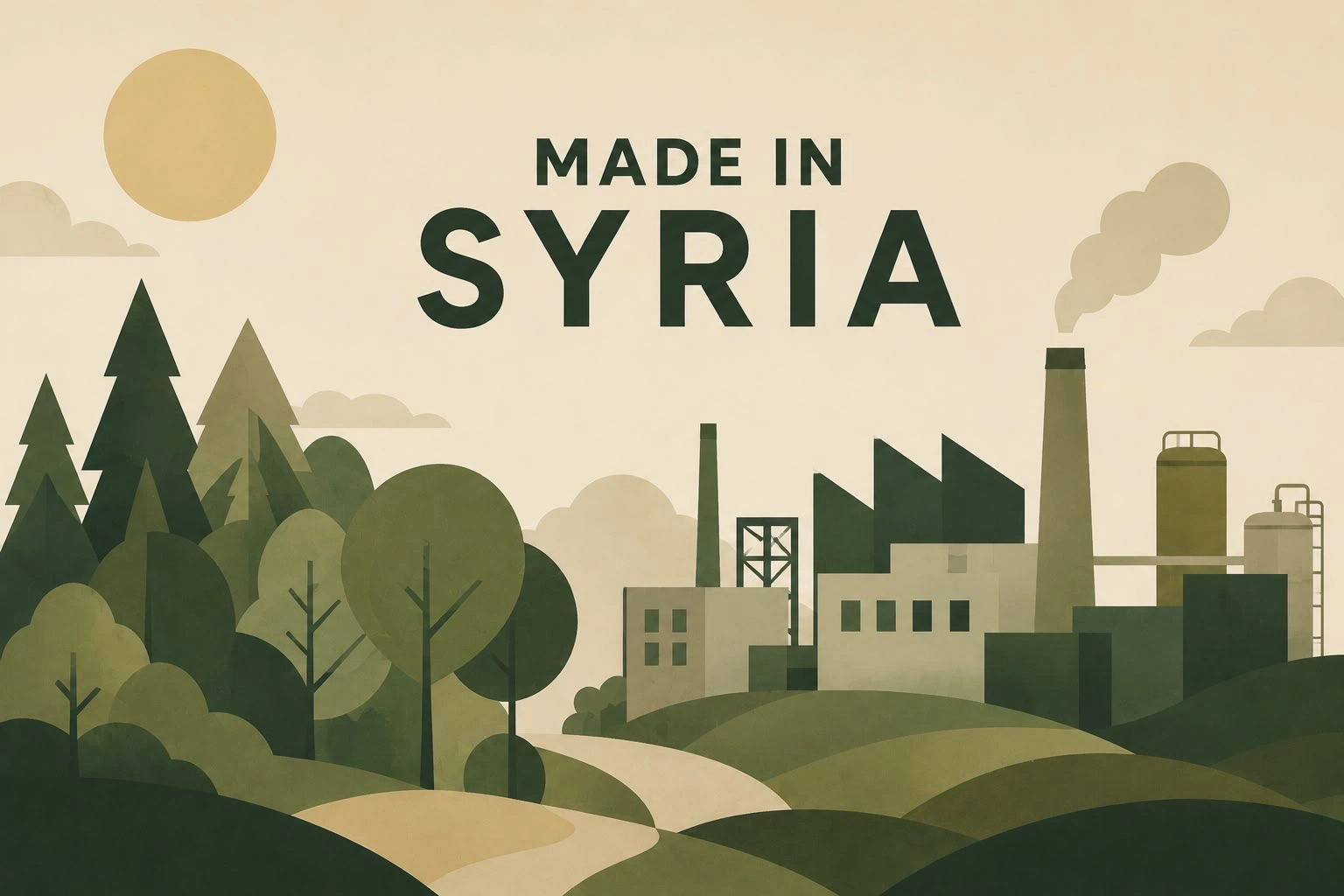
In the modern global economy, brands are no longer merely logos or marketing tools used to distinguish products and services. They have become one of the most important economic assets of nations, and a central element in shaping their mental image and strengthening their competitiveness at the international level. Today, the strength of economies is measured not only by the size of their production or exports, but also by the strength of the brands that represent them in global markets.
Many countries have succeeded in turning their brands into economic and cultural ambassadors that reflect the quality of their products and national values. Japan became associated with innovation, technology industries, and automobiles. The United States became synonymous with technology companies and the digital economy. France established its position in the world of fashion and perfumes. Switzerland became known for watches and precise food and pharmaceutical industries, while South Korea built its global status through its giant companies in electronics, automobiles, and creative industries.
This status was not a coincidence. It was the result of long-term national strategies that invested in building Brand Equity and connected it to the image of the country, product quality, and consumer trust.
As for Syria, despite possessing a civilizational and industrial legacy that extends for thousands of years, and a long history in traditional, food, and textile industries, it has not been able during the past decades to build a national brand system capable of competing globally in a way that matches its potential. Today, with the beginning of a new phase of reconstruction and economic development, a historic opportunity emerges to reshape the image of the Syrian product and build "the Syrian brand" as one of the most important drivers of the national economy.
Why Have Brands Become an Economic Issue, Not Only a Marketing One?
Advanced economies view brands as strategic assets, not merely sales tools, because they generate a wide range of economic effects, most importantly:
Increasing the competitiveness of products in local and global markets.
Raising the market value of companies.
Increasing export capacity and achieving higher profit margins.
Reducing dependence on price competition.
Attracting investors and international partners.
Strengthening confidence in the national economy.
Creating new job opportunities.
Stimulating innovation, research, and development.
This is why the brand has today become part of the economic policy of states, not only part of companies’ marketing plans.
Where Do Syrian Brands Stand Today?
Despite Syria having dozens of competitive sectors, such as:
Food industries.
Pharmaceutical industries.
Textile industries.
Engineering industries
Petroleum products and phosphate.
Furniture.
Agricultural products.
Sweets.
Olive oil.
Laurel soap.
Creative industries.
Most of these products are often exported without real added value, or under brands with limited reach, or manufactured on behalf of foreign brands, depriving the Syrian economy of the largest part of the economic value. Many Syrian companies have also historically focused on production and sales, while not investing sufficiently in:
Brand building.
Corporate identity.
Positioning strategies.
Customer experience.
Innovation.
Global marketing.
Intellectual property protection.
The result has been weak international presence and a lower market value for Syrian brands compared to countries that have fewer resources but invested better in brand building.
Why Is the Absence of Syrian Brands an Opportunity, Not a Problem?
The weak global mental image of Syrian products may seem like a negative point, but in reality, it can turn into a strategic advantage.
Many countries had to change a negative or limited mental image before achieving global success, while Syria today has an opportunity to build an entirely new image based on:
Quality.
Authenticity.
Innovation.
Craftsmanship.
Sustainability.
Value for money.
Human competencies.
In other words, Syria can start from a new page and create a modern economic identity that reflects its real potential, instead of remaining captive to old stereotypes.
The Syrian Brand... A National Economic Project
Developing Syrian brands should not be viewed as an initiative concerning only the private sector, but as an integrated national project aimed at rebuilding the economy. A strong brand does not only sell a product; it creates a complete chain of economic value that begins at the factory and does not end with the consumer. Every successful brand leads to:
Establishing new factories.
Expanding companies.
Increasing exports.
Providing job opportunities.
Developing supply chains.
Raising product quality.
Attracting investments.
Improving the trade balance.
Increasing tax revenues.
Supporting local innovation.
In other words, investing in brands is a direct investment in the national economy.
How Do Brands Affect Economic Development?
International experiences indicate a direct relationship between brand strength and economic growth. Strong brands lead to:
First: Increasing Exports
Products with strong brands can enter global markets more easily and achieve higher prices compared to unknown products.
Second: Creating Job Opportunities
Every expansion of a brand leads to expansion in:
Production.
Services.
Marketing.
Distribution.
E-commerce.
Logistics services.
This therefore creates thousands of direct and indirect jobs.
Third: Attracting Investments
Investors prefer entering markets that possess strong national brands because they reduce risks and reflect the maturity of the economic environment.
Fourth: Raising Industrial Quality
Global competition forces companies to invest in quality, research and development, and innovation, which raises the level of the entire national industry.
Fifth: Improving the Image of the State
Every successful brand becomes an ambassador for Syria abroad and contributes to improving its economic and cultural image.
From Visual Identity to Building Value
One of the most common misconceptions is that a brand is limited to designing a logo or choosing colors and a visual identity. In reality, visual identity is only the visible part of a broader system that includes:
Vision.
Mission.
Values.
Positioning.
Customer experience.
Product quality.
Corporate culture.
Innovation.
Communication.
Reputation.
Loyalty.
Therefore, real investment must be in building the brand as a long-term economic asset, not as a short-term design project.
A Future Vision... The Syrian Brand as a Driver of the National Economy
In the coming years, Syria can build a new generation of brands capable of competing regionally and globally, if vision, will, and cooperation between the public and private sectors are available. The Syrian product has the foundations for success, human competencies exist, and regional and international markets are constantly searching for high-quality products that carry real stories and added value.
Building "the Syrian brand" is not a promotional project, but a long-term economic, developmental, and investment project. It aims to transform Syria’s name from a country that exports raw or low-value products into a country that exports global brands carrying quality, innovation, identity, and trust.
Ultimately, the future of the Syrian economy will not be measured only by the number of factories that are built, but by the number of Syrian brands that the world trusts, that consumers choose willingly, and that are considered symbols of quality and excellence. When the Syrian brand becomes a global value, the Syrian economy becomes stronger and more sustainable, and every successful company turns into an economic ambassador carrying Syria’s name to international markets.