The story began in childhood.
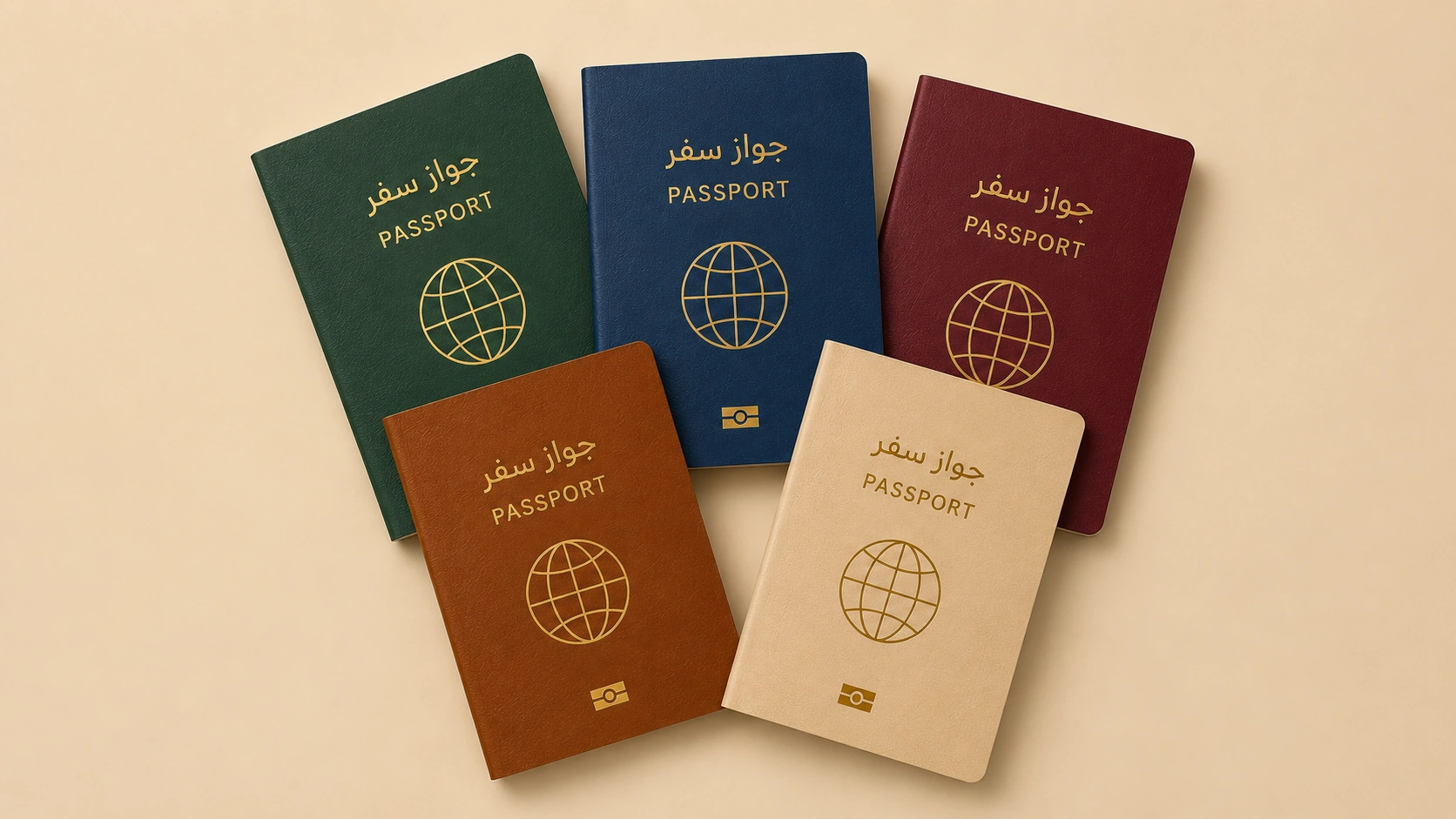
Back when borders meant nothing, and passport colors carried no emotional weight.
Everyone seemed the same:
the same dialects,the same songs,the same laughter, and the same summers gathering families together.
Except us.
We came from something that did not entirely resemble geography.
Something everyone else called:
“Exile.”
While we called it:
“Familiarity… and longing.”
When a Flag Becomes a Question
As children, we would instinctively rush to raise the green flag during patriotic songs and school celebrations.
Then someone would say, almost innocently:
“But that’s not really your country.”
And confusion would begin.
How could a place we lived in — and that lived inside us — not be home?
As we grew older, we learned to soften the way we expressed love for the country that embraced us, so we would not be accused of betraying our roots.
But the truth was never about denying where we came from.
It was something far more human and complicated.
“We were never rejecting our roots… we were simply trying to understand how one heart could carry more than one homeland.”
The Crisis of Diaspora Children
This is not an individual story.
It is the story of an entire generation of diaspora children.
Children who grew up carrying multiple homelands inside their hearts, yet never fully felt recognized by any of them.
They are born in one place, inherit another, and grow up constantly judged by how much love they show each side.
That is why seemingly simple questions can hurt unexpectedly:
“Where are you originally from?”
“Why don’t you speak with your original accent?”
Questions that sound harmless… but can suddenly push someone outside the circle, as though all the years they spent belonging somewhere became invisible.
Third Culture Kids
Modern psychology describes this condition through the term:
“Third Culture Kids.”
Children raised between multiple cultures who never feel entirely rooted in any single one.
They often develop remarkable adaptability, yet struggle deeply with questions of identity.
They do not know how to answer:
“Where are you from?”
Because for them, the answer is not a country name.
It is an entire history of emotions, memories, languages, and overlapping identities.
Edward Said once wrote:
“The more places you carry inside yourself, the harder it becomes to define who you are.”
Homeland as a Feeling
Perhaps this is why diaspora children become unusually sensitive toward the idea of homeland.
They no longer see it as political borders.
They experience it through tiny details:
A dialect resembling their mother’s voice,
the smell of coffee,
old songs,
holidays,
or that strange sense of comfort hidden inside the word:
“Family.”
Maybe that is why Fairuz songs hurt differently.
As though they understand exactly what it means to long for a place… while not knowing whether you are even allowed to miss it this much.
“I come from there, and I have memories.”
— Mahmoud Darwish
The Problem Was Never Them
The painful part about diaspora life is that people spend years trying to prove something that should never require proof at all.
Trying to reassure everyone that they did not betray their parents’ homeland, while silently apologizing for loving the places that gave them life.
Eventually, many discover that the problem was never inside them.
It was inside the narrow idea that reduces homeland to paperwork, and belonging to a short answer.
“We were never without a homeland… we simply carried hearts too wide for a single one.”
Mahmoud Darwish once wrote:
“The stranger is not the one who left his homeland… but the one abandoned by it.”
And perhaps that is the tragedy of diaspora children:
They spend their entire lives trying to convince places… that they belong there too.